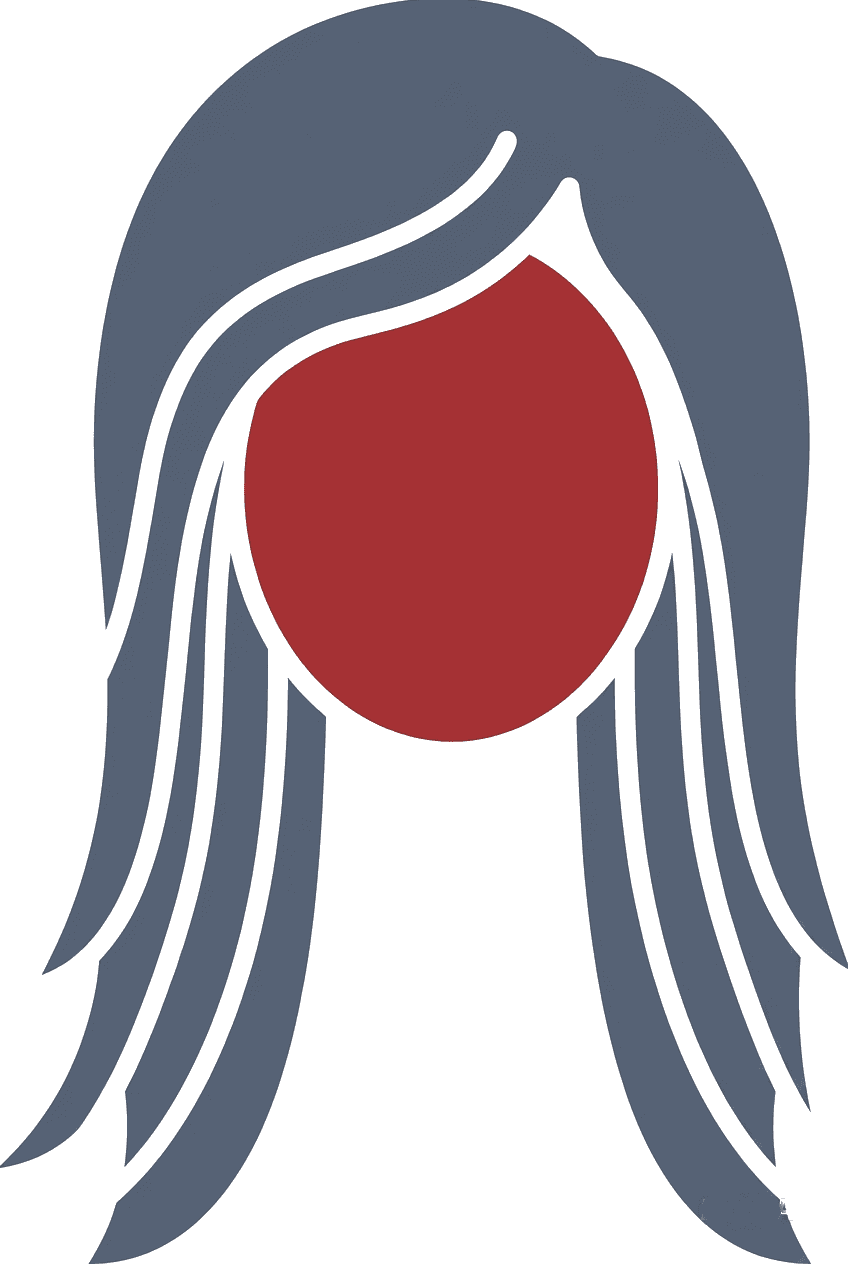
ROUND FACE
Ever feel like certain hairstyles make your face look fuller than it actually is? With a round face — where the width and length are similar, softened by a gentle jawline and fuller cheeks — this is a common frustration. It’s not about the haircut being “wrong,” but about how it interacts with your natural proportions.
In practice, styles that sit right at the cheeks or add width through the sides can sometimes emphasise roundness rather than balance it. You might have noticed this with blunt bobs or overly voluminous curls placed at mid-face level — they can feel heavier, even when the style itself is on trend.
This is where a small shift in approach can make a difference. Adding a little height through the crown, choosing lengths that fall below the chin, or introducing soft layers can help guide the eye vertically rather than outward. Even subtle choices, like an off-centre parting or controlled volume, often create a more elongated effect.
The takeaway? It’s less about avoiding certain styles entirely and more about adjusting how they’re worn. A few thoughtful tweaks can bring balance, while still allowing you to keep the overall look and feel you’re drawn to.
Face Characteristics
- Soft jawline
- Full cheeks
- Equal width and length
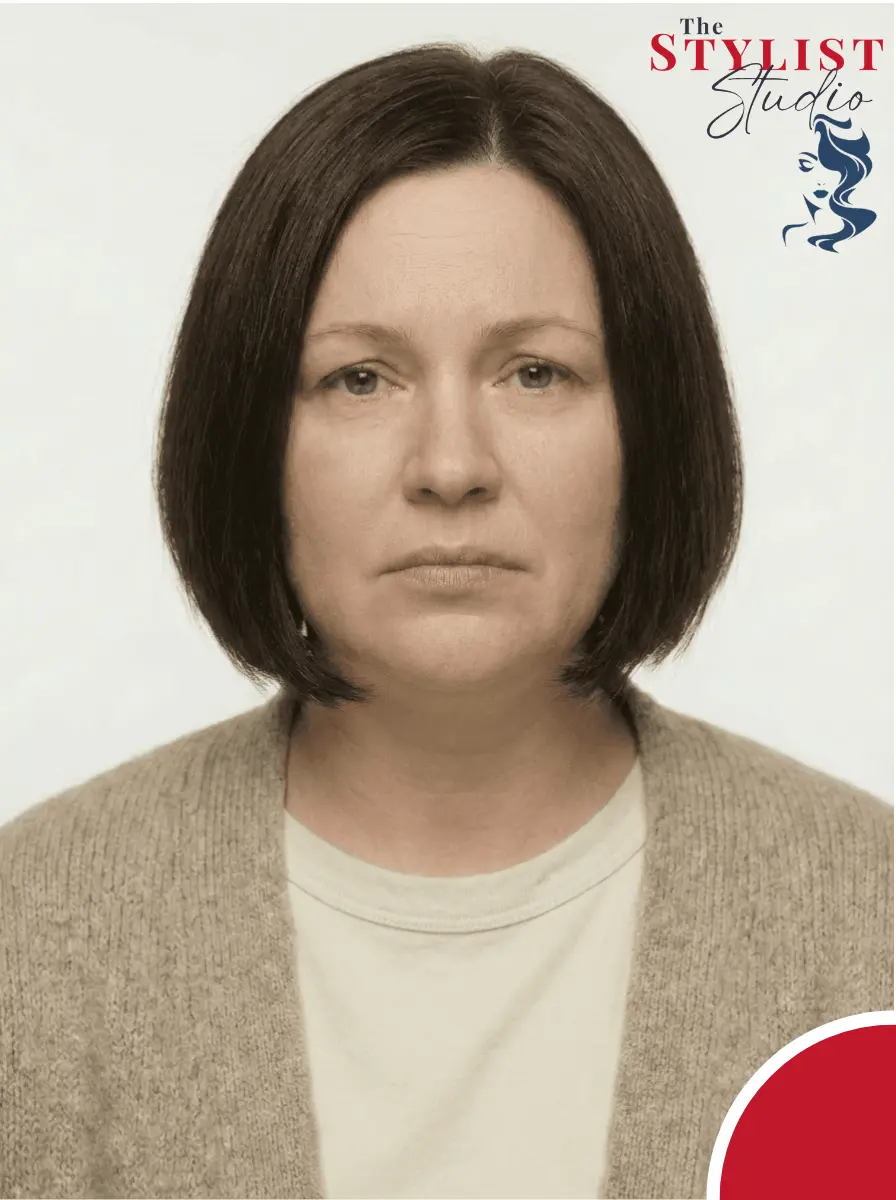
Chin-Length Blunt Bob
A sharp edge sitting at the jawline can:
• Increase the appearance of width
• Emphasise fullness in the cheeks
• Reduce the sense of vertical length
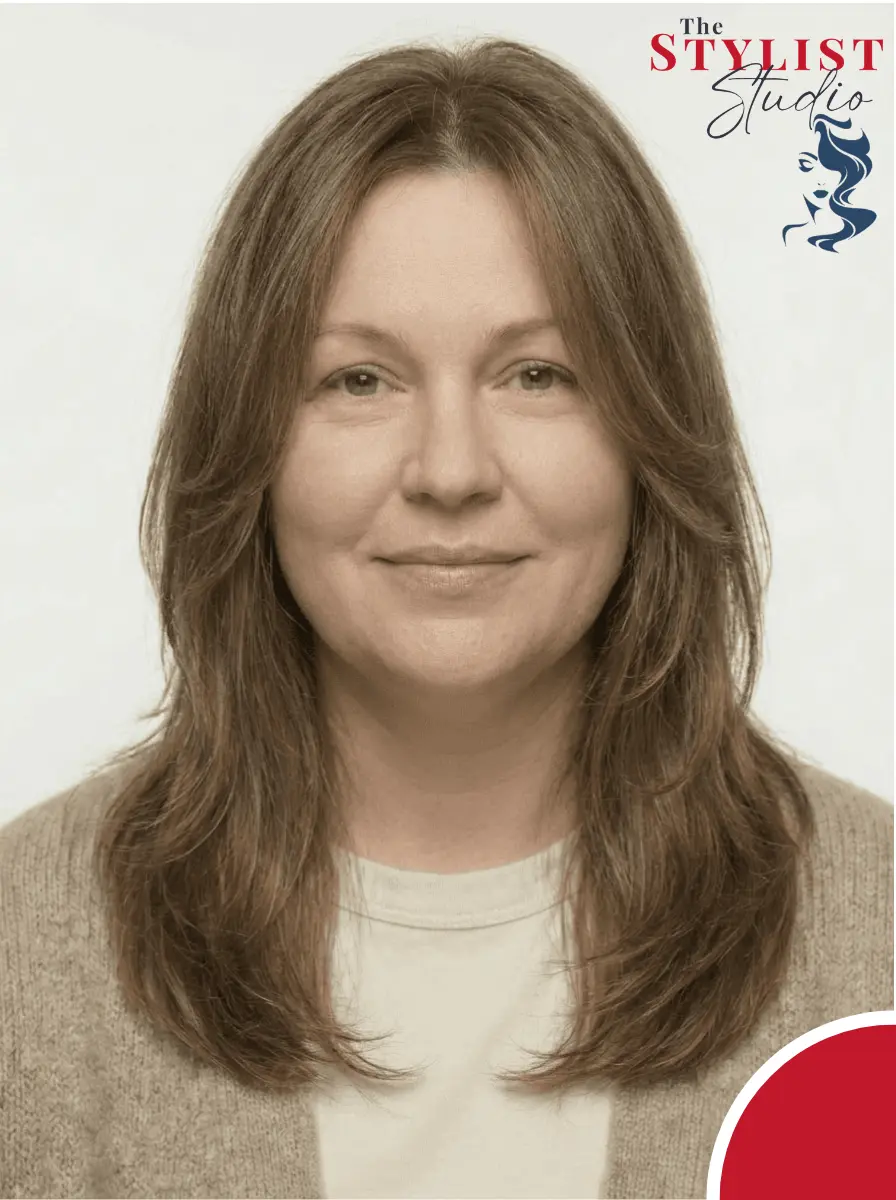
Long Layered Balance
Extra length combined with layering can:
• Introduce vertical lines
• Reduce width around the cheeks
• Create a more elongated effect
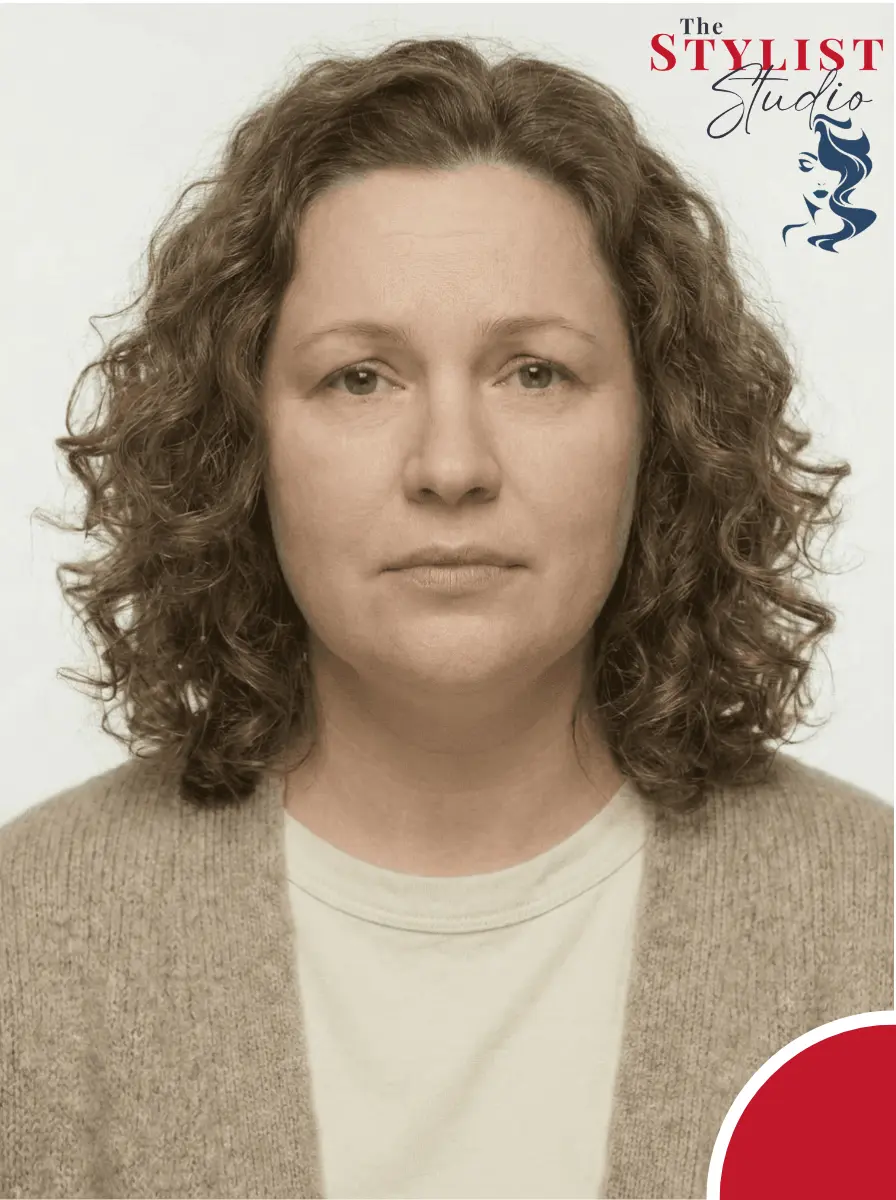
Cheek-Level Volume Curls
When volume sits through the mid-face, it may:
• Visually widen the face
• Emphasise roundness
• Shorten perceived length
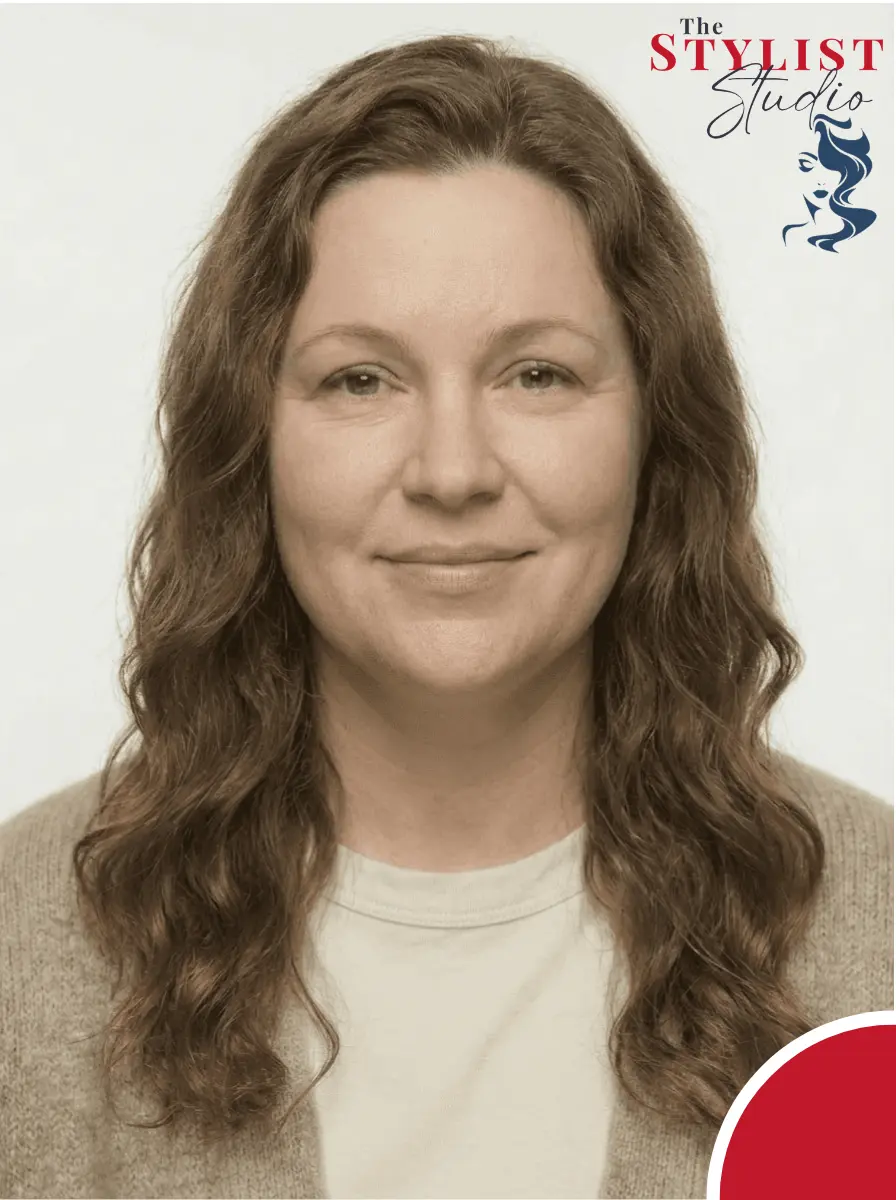
Controlled Long Waves
Keeping movement lower in the hair tends to:
• Draw the eye downward
• Reduce width at the sides
• Create balance through added length
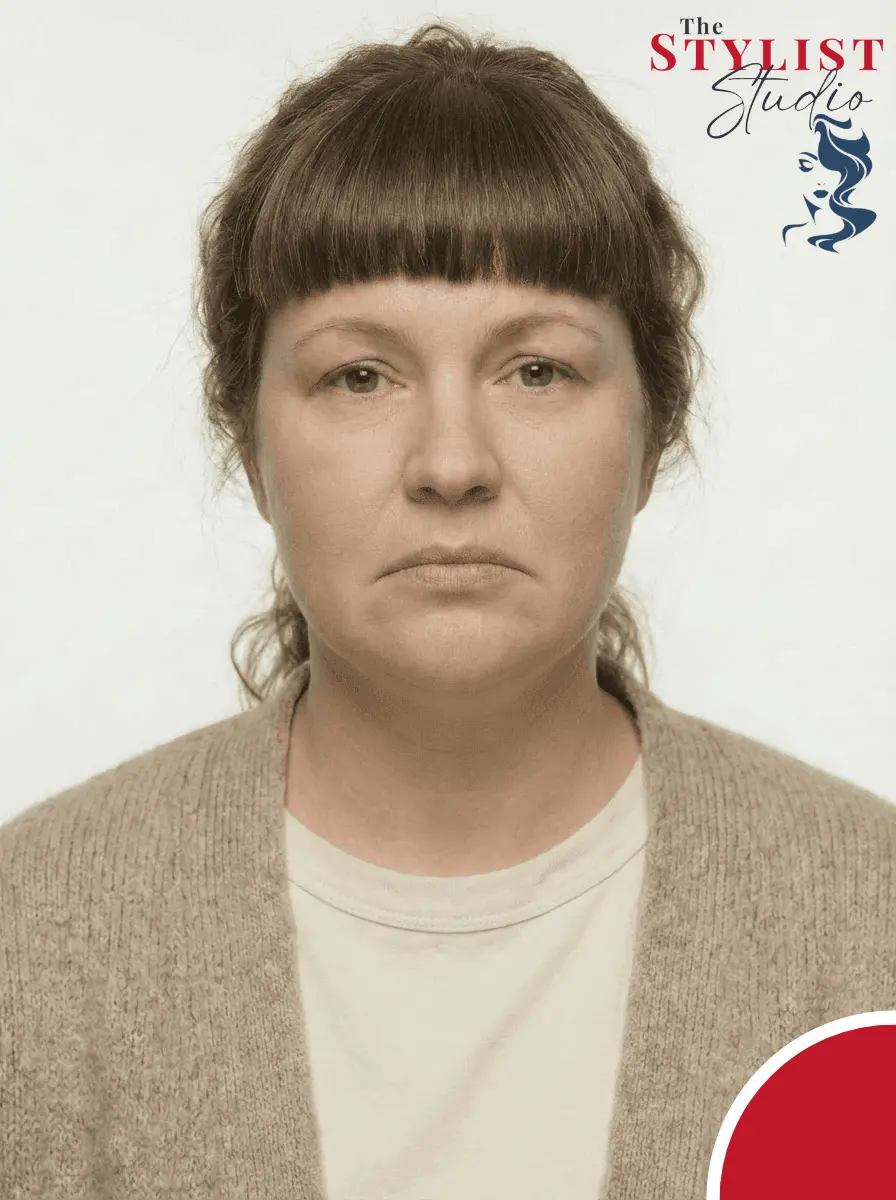
Heavy Straight Fringe
A solid fringe across the forehead can:
• Shorten the appearance of the face
• Reduce openness at the forehead
• Add weight to the upper area
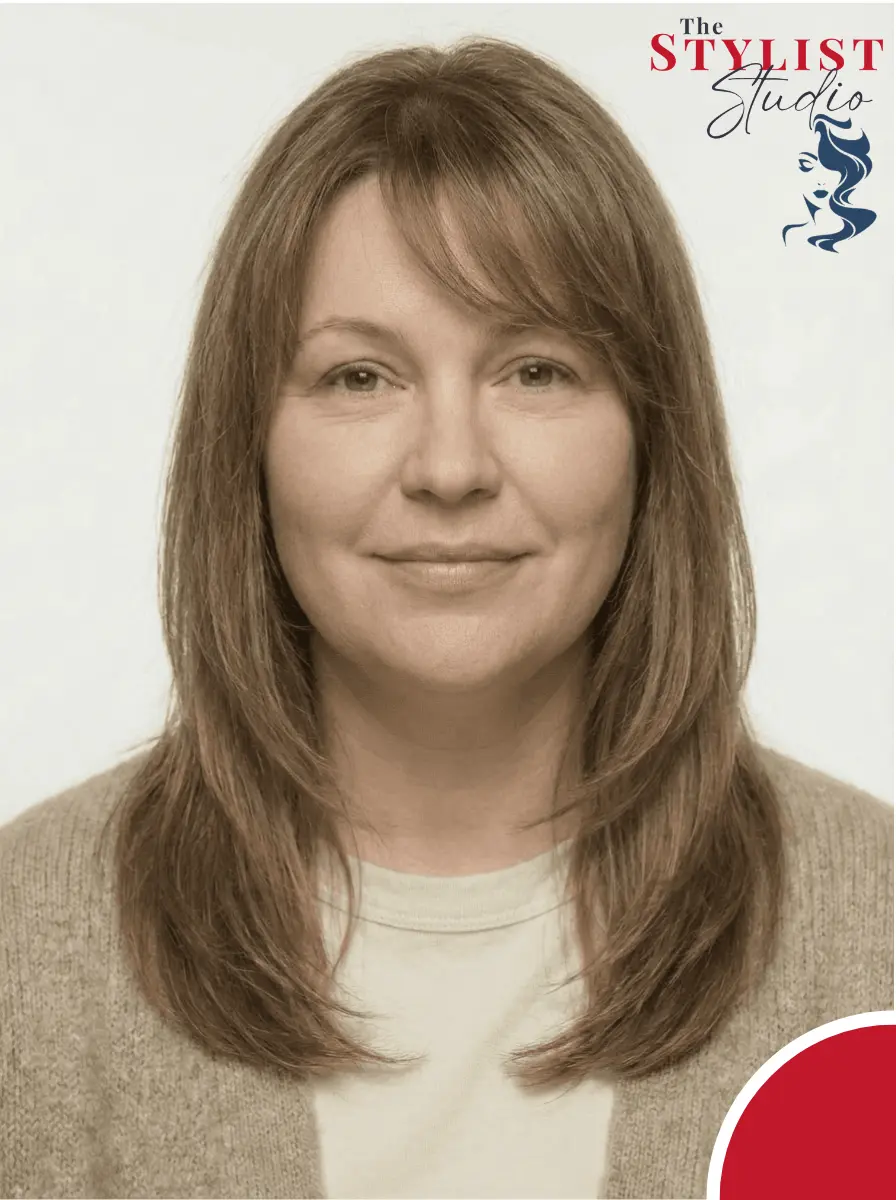
Soft Side Fringe
Angled fringe lines often:
• Introduce diagonal movement
• Create a softer, slimmer effect
• Maintain a sense of openness