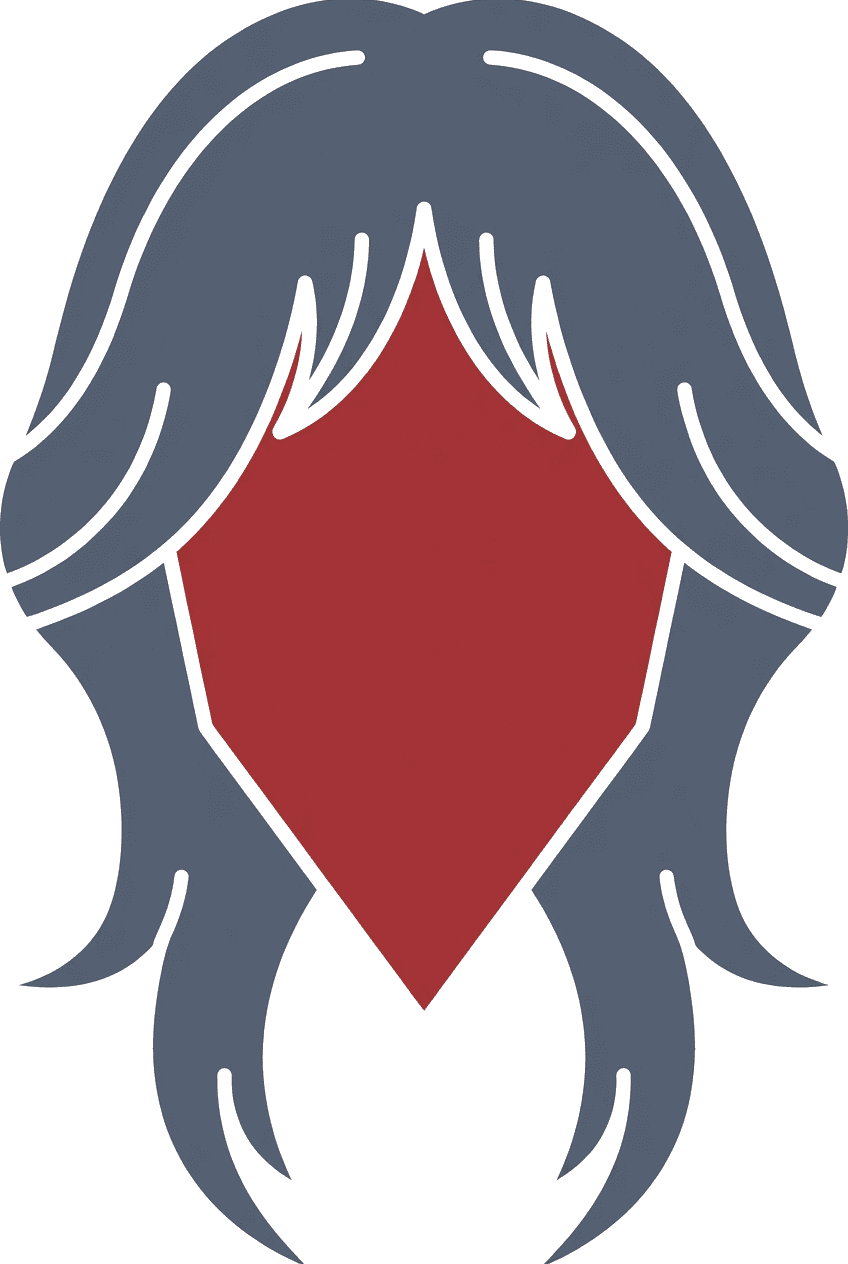
Diamond Face
Ever feel like your cheekbones take centre stage — sometimes more than you’d like — while the forehead and chin feel a little less defined? With a diamond face shape, where the cheekbones are the widest point and both the forehead and chin are narrower, this contrast can influence how a hairstyle sits overall.
You might notice this with styles that add volume through the mid-face or sit closely around the cheeks. While they can highlight your bone structure, they may also make the face feel more angular or concentrated in one area.
This is where a more balanced distribution of volume can help. Adding softness or width near the forehead or jawline — through layers, fringe, or gentle movement — can create a more even frame. At the same time, keeping volume at the cheek area more controlled often helps avoid over-emphasising that central width.
The takeaway? It’s not about downplaying your cheekbones — they’re a defining feature — but about supporting them with balance. A few thoughtful adjustments can soften the overall shape while still letting your natural.
Face Characteristics
- Wide cheekbones
- Narrow forehead and chin
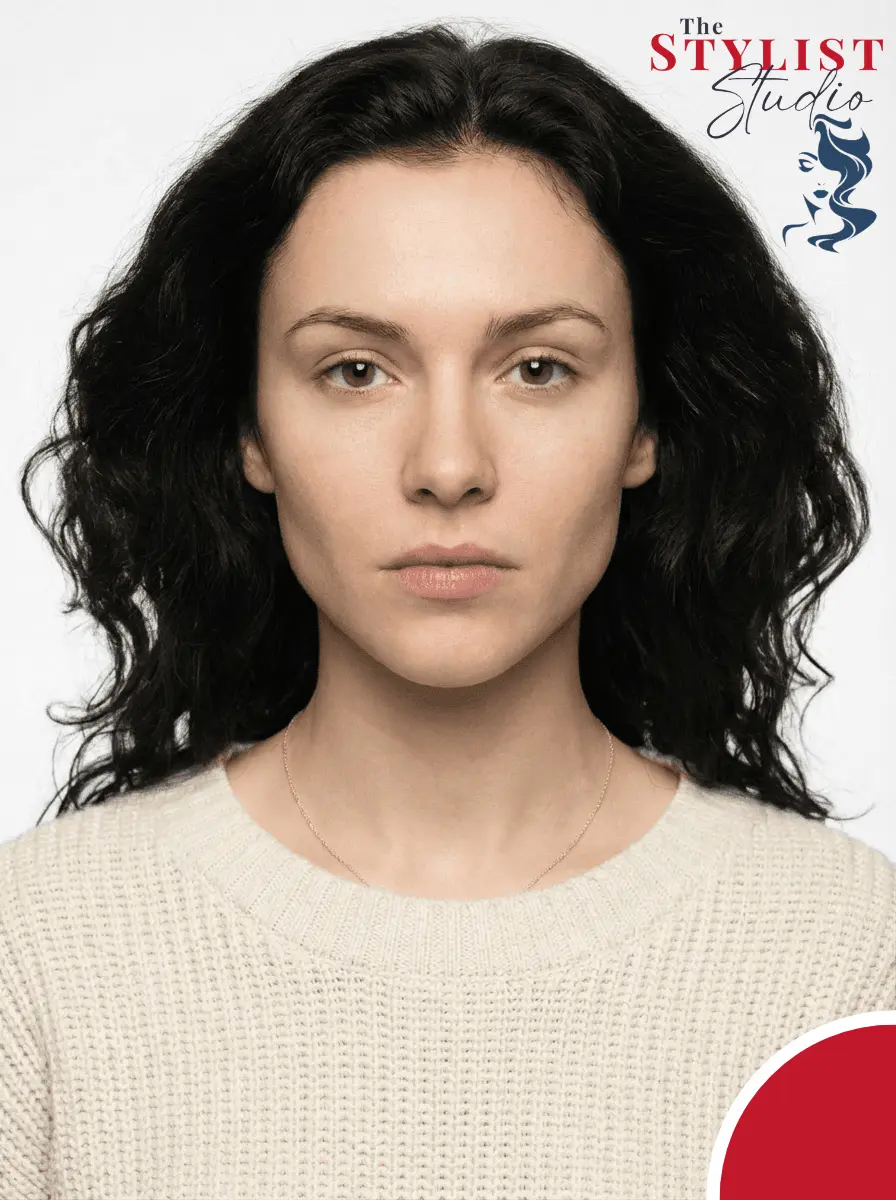
Cheek Volume Focus
Concentrating fullness at the mid-face can:
• Overemphasise the widest point
• Increase facial width
• Draw focus to the mid-face

Balanced Frame Layers
Distributing shape more evenly helps to:
• Soften cheek dominance
• Rebalance proportions
• Create a more even silhouette
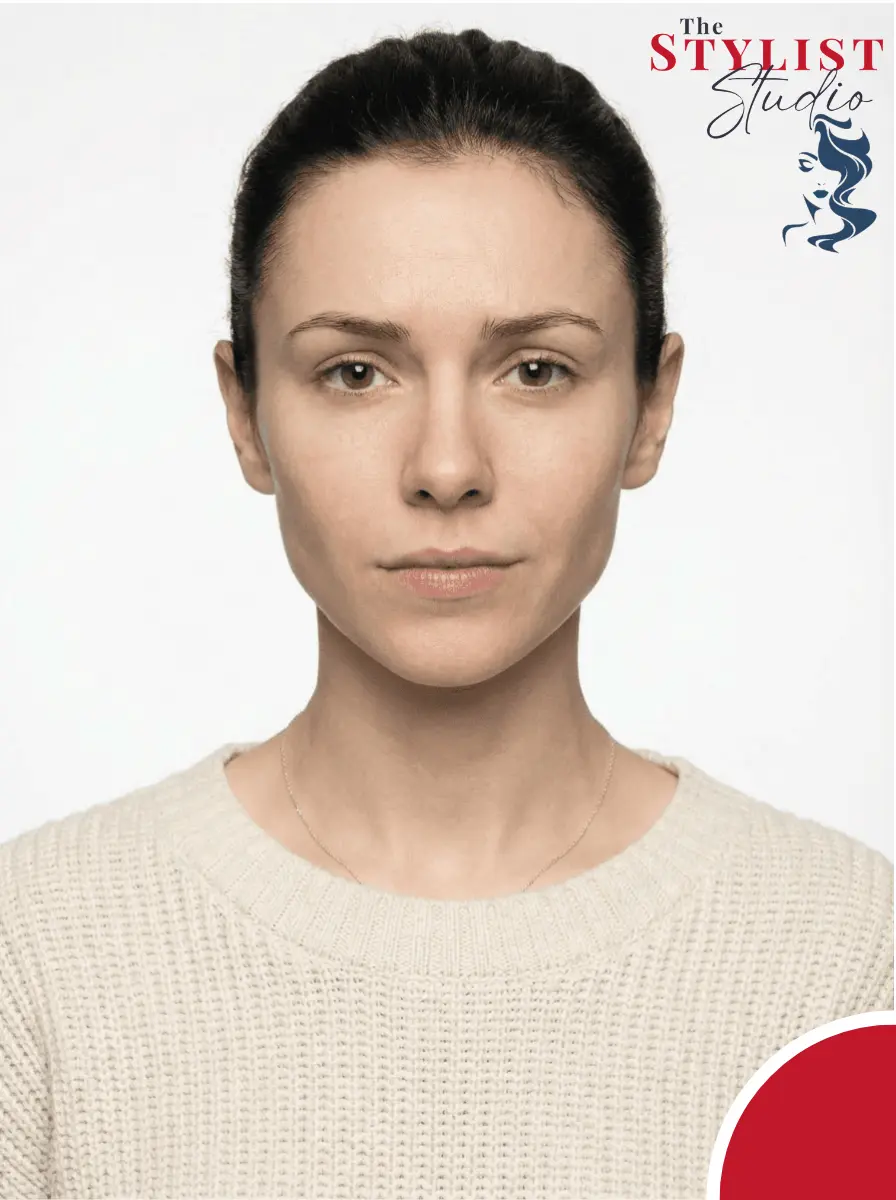
Pulled Back Tight Style
Removing width and softness around the face can:
• Expose cheek width
• Remove softness
• Emphasise angular structure

Face-Framing Layers
Soft shaping around the front helps to:
• Add softness
• Create visual balance
• Gently contour the face
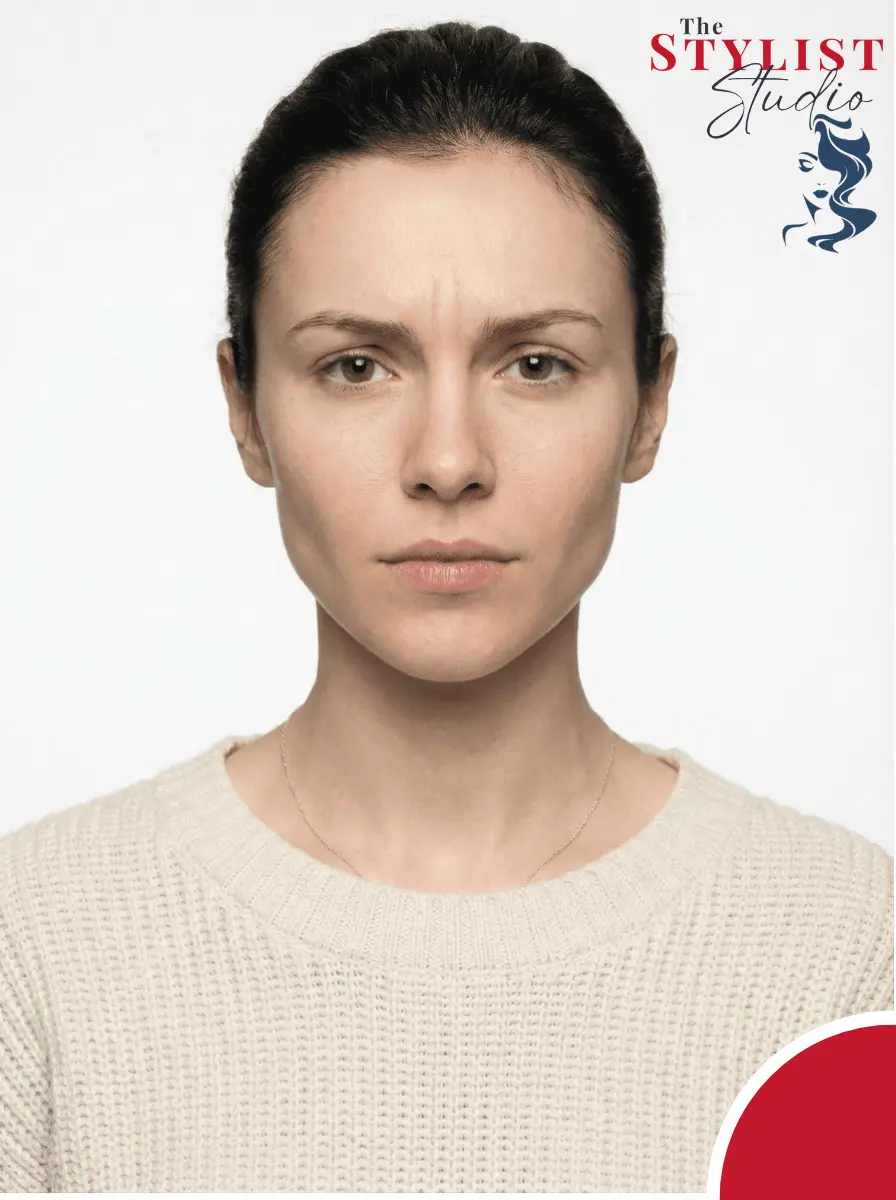
No Fringe Style
Keeping the forehead uncovered can:
• Expose upper width imbalance
• Draw attention to a narrow forehead
• Reduce overall balance

Soft Fringe Balance
Light coverage across the forehead helps to:
• Rebalance the forehead area
• Soften overall structure
• Reduce contrast between features