Triangle Pear Face
Some hairstyles can unintentionally make the lower half of the face feel heavier, especially when the jawline is naturally wider than the forehead. With a pear or triangle face shape, this contrast — narrower at the top and fuller through the jaw — often becomes more noticeable depending on where volume sits.
For example, styles that are very flat at the crown or tuck tightly around the sides can place more visual weight at the bottom of the face. Even cuts that end right at the jawline may draw attention to width in that area, rather than creating balance.
A small shift in focus can change the overall effect. Adding volume or lift through the crown, introducing layers around the upper face, or incorporating fringe can help bring more presence to the forehead area. Softer movement through the mid-lengths can also prevent the lower half from feeling too solid or heavy.
The takeaway? It’s about gently rebalancing proportions. By building a little more width and interest through the upper part of the face, you create a more even silhouette — without needing to change your style completely.
Face Characteristics
- Narrow forehead
- Wider jawline
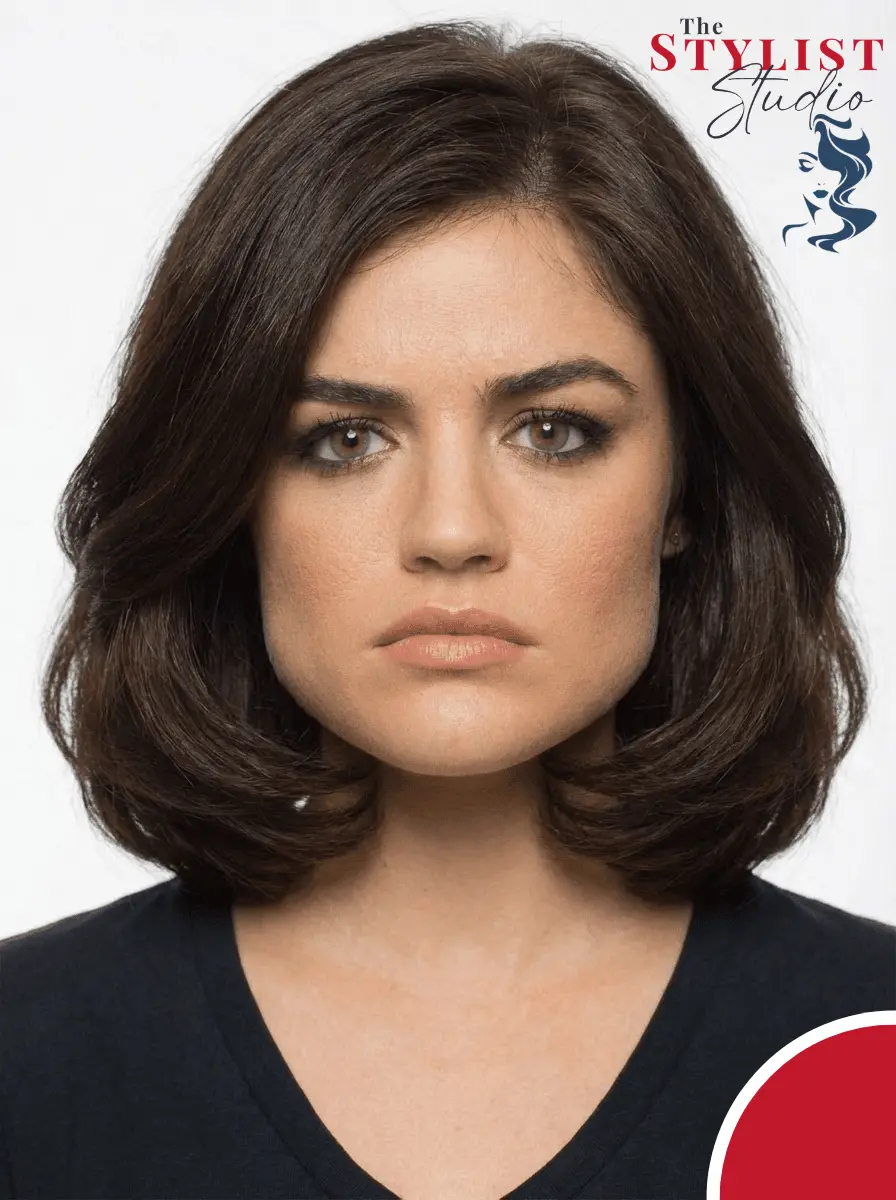
Jaw Volume Style
Extra fullness around the lower section can:
• Increase lower face width
• Emphasise imbalance
• Draw focus to the jawline
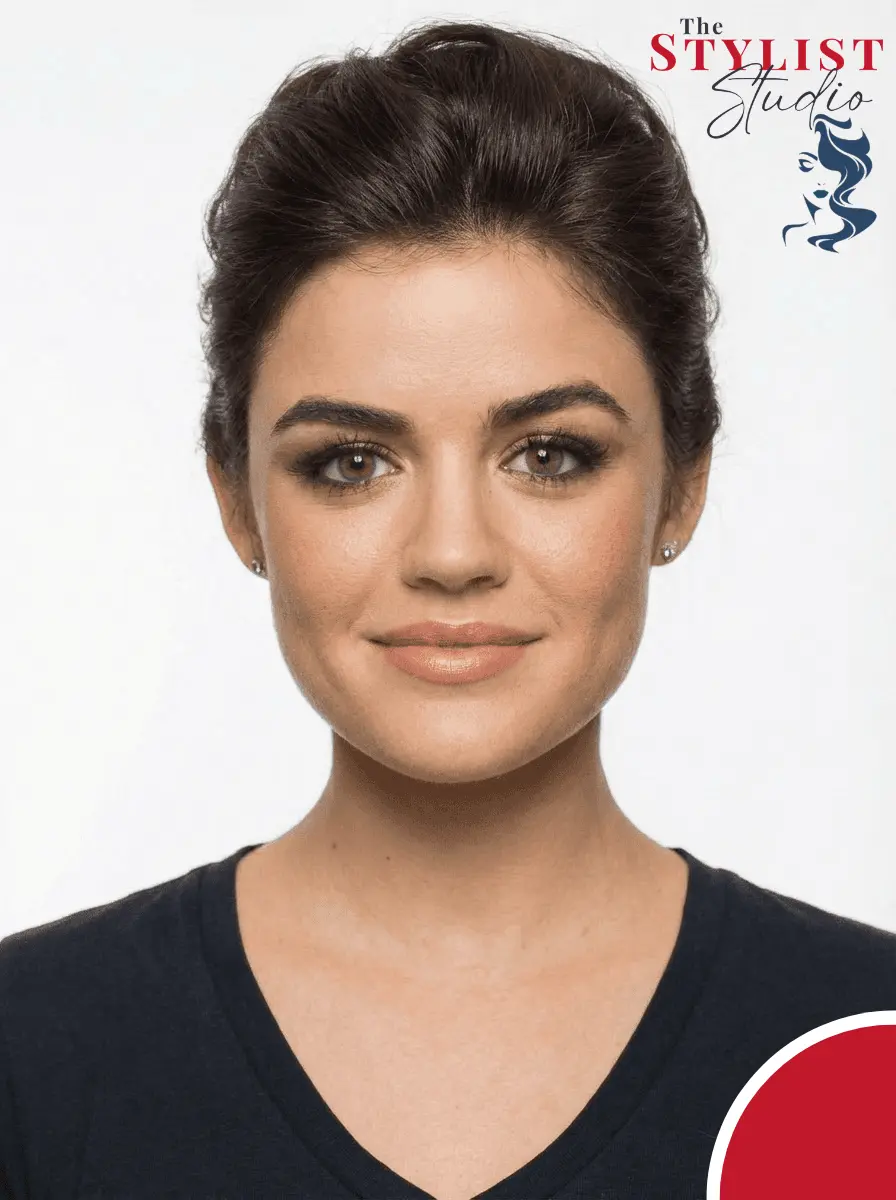
Crown Volume Style
Building height and lift at the top helps to:
• Shift focus upward
• Balance the lower face
• Increase upper-face presence
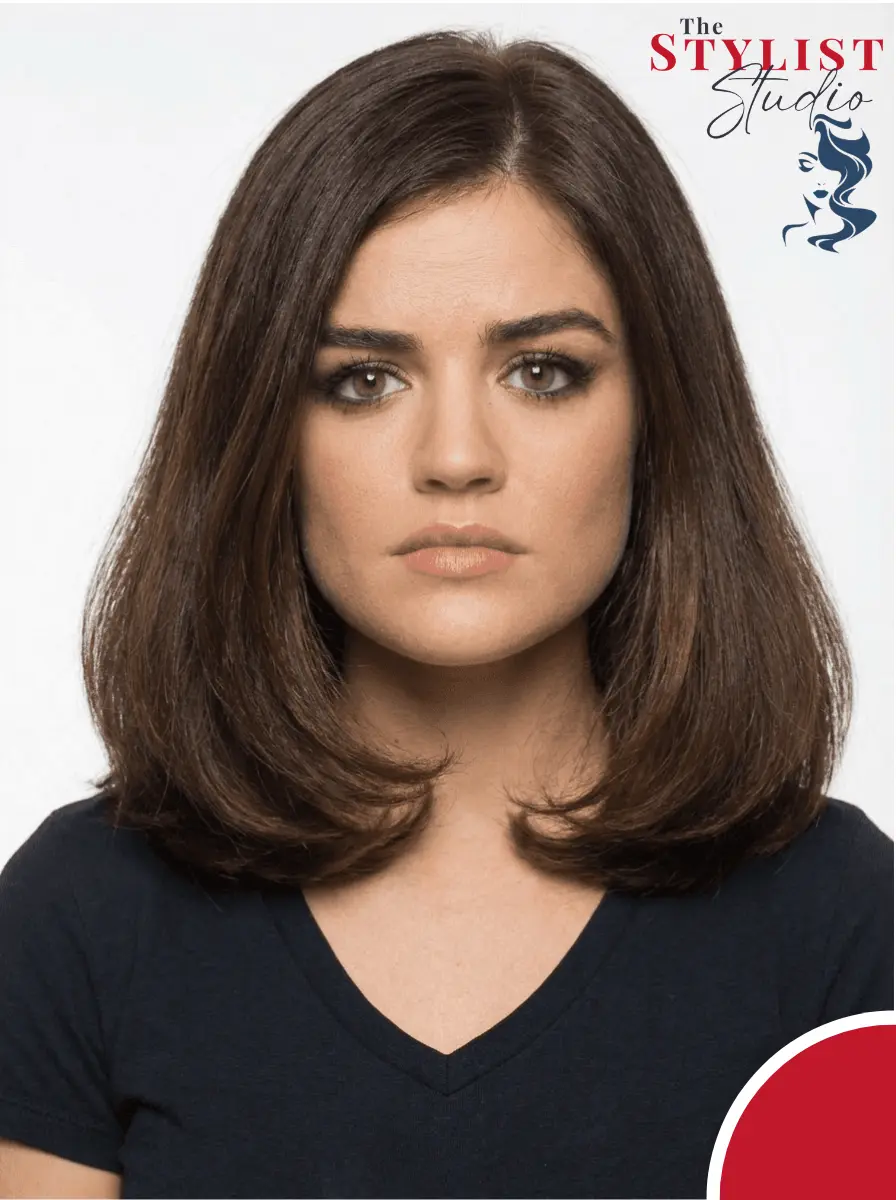
Flat Top Style
Lack of lift through the crown can:
• Reduce upper face presence
• Increase imbalance
• Emphasise lower heaviness
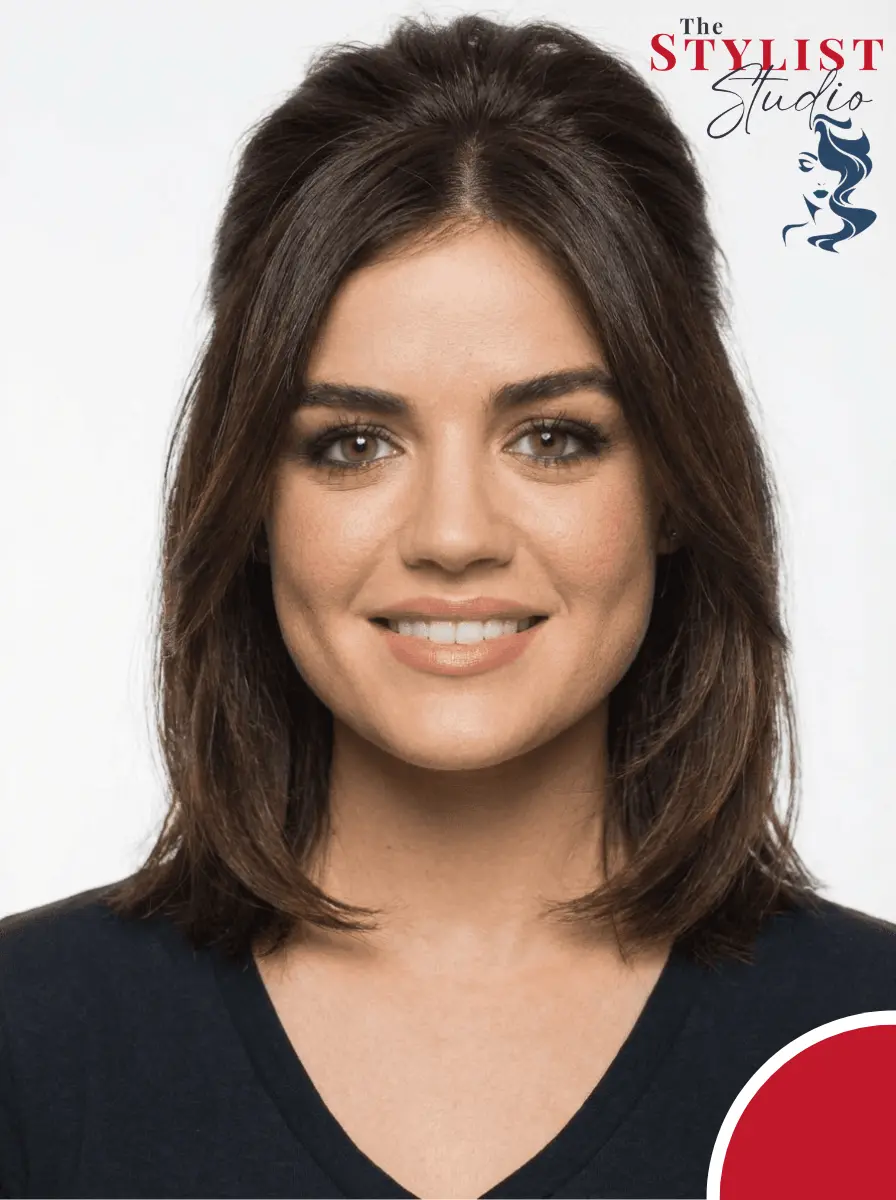
Lifted Crown Layers
Raising volume through the top area helps to:
• Build upper face width
• Restore proportion
• Create better visual balance
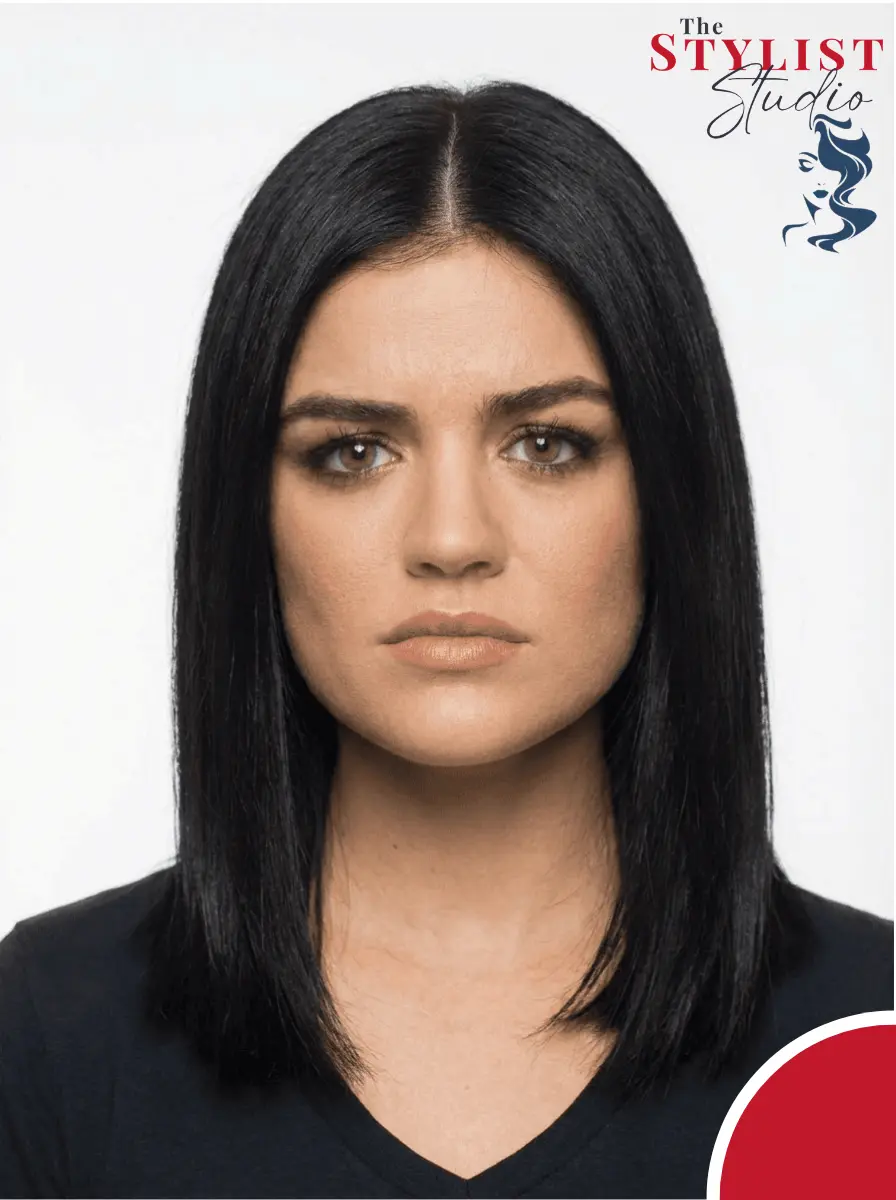
Centre Part Heavy Sides
Weight falling straight down the sides can:
• Emphasise jaw width
• Add weight to the lower face
• Reduce upper-face presence
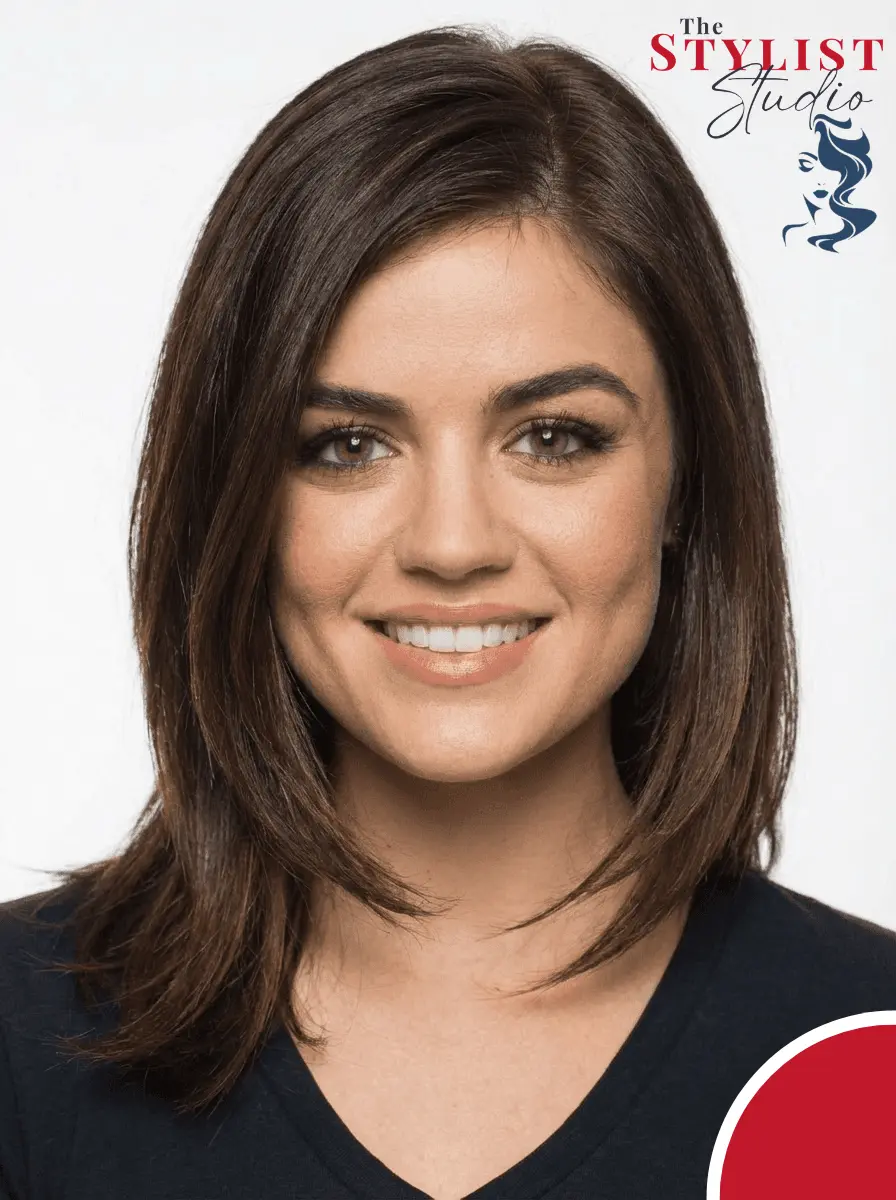
Side Part Layered Balance
Shifting the part and adding shape helps to:
• Break lower-face dominance
• Add softness
• Shift focus upward